As an honest professional, I strive to keep my clients informed about the latest developments in the online community. I want them to feel confident that I’ll share my expertise and help their business succeed. When I first wrote this post in 2017, there was a lot of buzz about SSL certificates. Today they’re standard on every website. What are they, why weren’t they always recommended, and why does your business need one?
The SSL certificate
SSL stands for Secure Sockets Layer. It’s a security protocol that carries your communications over the Internet in encrypted form. SSL is commonly used by eCommerce websites to protect sensitive information such as credit card numbers or personal data. SSL certificates ensure information is delivered to the intended server without falling into the hands of third parties (hackers!) who could tamper with the data.
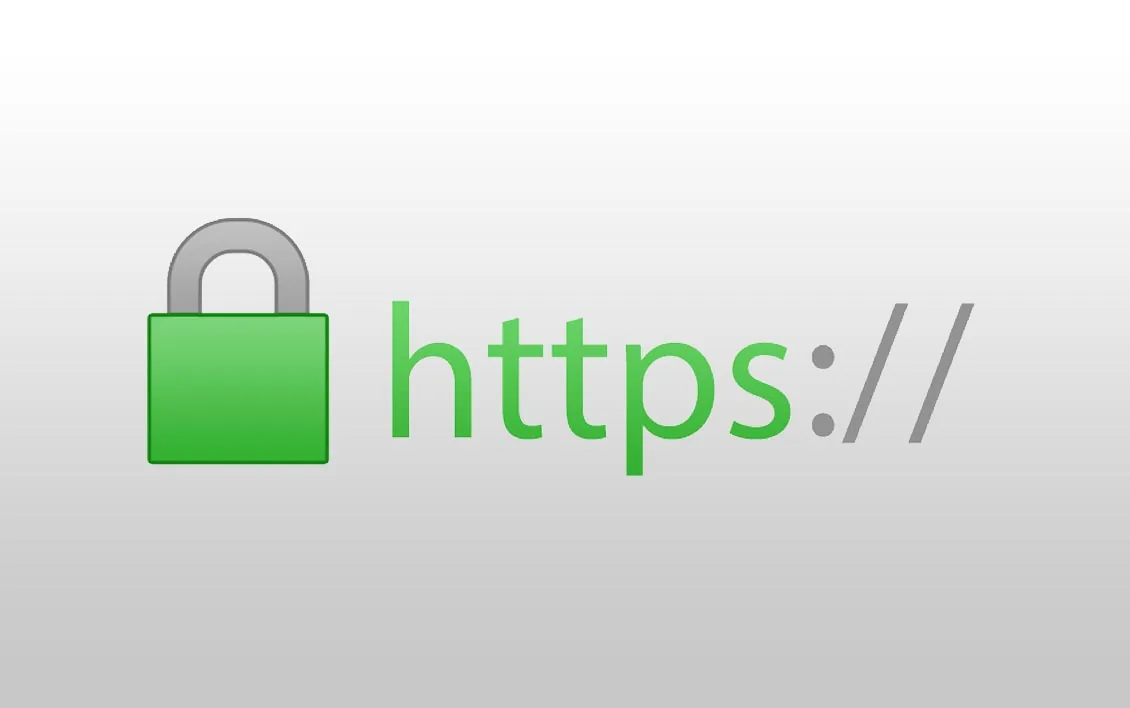
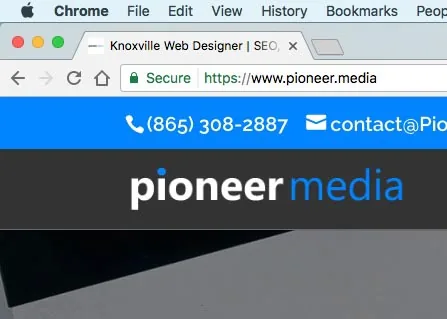
You’ll recognize sites with an SSL certificate by the https:// address, rather than the unsecured http://, plus the padlock icon in your browser’s address bar (its color and appearance vary by browser).
What are the benefits?
- Trust and reputation. An SSL certificate helps build a trusted online brand that customers recognize as reputable. When completing transactions online, shoppers trust the https:// address and padlock over an unsecured http:// address. With an SSL certificate, you can confidently sell products or services online knowing each transaction is secure.
- Search engine ranking. An SSL certificate makes you popular with search engines too. Google’s algorithm treats SSL as a mark of quality and assurance, so your website can appear higher in search results than unsecured websites, bringing more traffic from customers searching for your services. All you need to do is show them the security of their data is your priority.
Why wasn’t SSL always standard?
Since SSL certificates were born in the 1990s, they’ve been understood as essential for eCommerce websites: sites that sell products and take in credit card information and personal data. They were considered unnecessary for static brochure websites that didn’t sell anything.
In the mid-2010s, privacy became a huge topic in politics and technology, and encryption advanced to keep out unauthorized prying eyes. But if you’re marketing your company’s services, testimonials and contact information, why would you need that encrypted? Don’t you want it out there for everyone to see?
Encryption, browsers and SSL have all matured and become mainstream. Search engines can easily scan and index secure websites. Moreover, Google made HTTPS an official ranking signal in 2014. It’s a small factor, but a positive one. Since July 2018, Google Chrome has labeled every non-HTTPS page “Not Secure,” and today the vast majority of web pages load over HTTPS.
Conclusion
Every website should have an SSL certificate, and the cost is no longer a barrier. Certificates once cost hundreds of dollars per year; today, trusted free certificates from authorities like Let’s Encrypt are available on modern hosting. We install, monitor and automatically renew SSL on every website under our Website Care Service. Modern certificates offer:
- Strong encryption: industry-standard encryption for every visitor.
- Universal browser recognition: all major browsers trust them and show the padlock.
- Automatic renewal: certificates renew in the background, so your site never shows an expired-certificate warning.
Interested in an SSL certificate? Send us a message and we’ll set it up for you.

About the author
Leighton Smith is Pioneer Media’s website designer, web developer and webmaster, based in East Tennessee. As a solopreneur, he is each client’s one point of contact and has built hundreds of websites since learning to code in 2006.